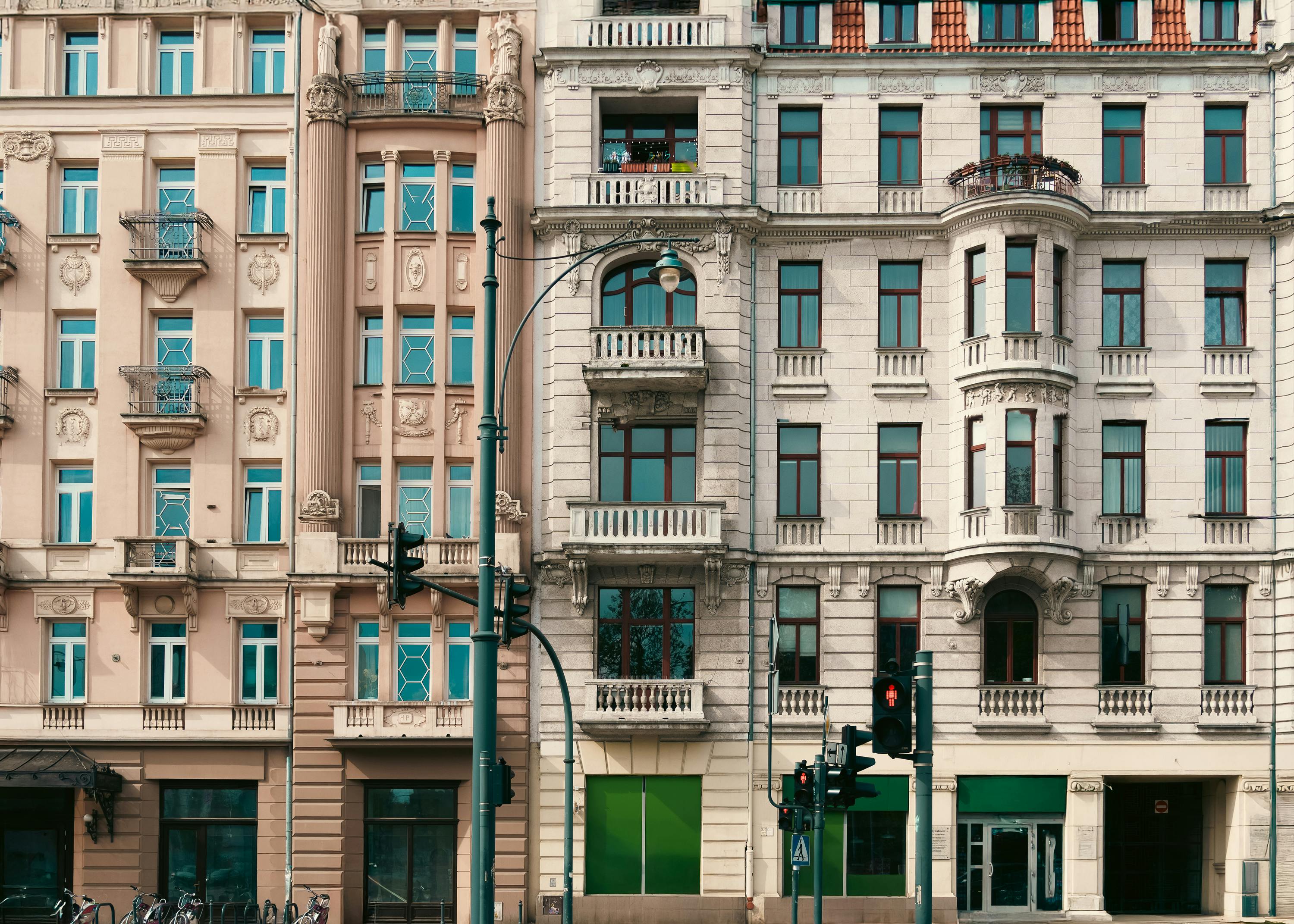
Making architectural history accessible, engaging, and relevant to modern audiences
We believe that architecture tells stories no history book can fully capture. Every carved detail, every spatial decision, every material choice reflects the aspirations, limitations, and worldviews of the people who built it. Our work centres on helping visitors and residents alike read these stories in the buildings around them.
Founded by a collective of architectural historians, heritage consultants, and passionate educators, glade-stag grew from informal walking tours into a comprehensive educational platform. We recognised that Glasgow offers an exceptional lens for understanding European architectural development, as Scottish builders absorbed, adapted, and transformed continental influences across centuries.
Our approach combines rigorous academic research with accessible presentation. We avoid both dry lecturing and oversimplified generalisation. Instead, we create experiences that invite questions, encourage close looking, and build genuine understanding of how the built environment shapes daily life.
Our Principles
Every claim we make rests on established scholarship. We stay current with architectural research and acknowledge ongoing debates within the field.
Architectural knowledge belongs to everyone. We translate specialist vocabulary into clear language without losing precision or depth.
We place Glasgow within continental networks of influence, trade, and cultural exchange, showing how local buildings connect to broader movements.
We resist the temptation to present architecture as a parade of genius individuals. Buildings emerge from complex collaborations between patrons, builders, craftsmen, and communities. Understanding architecture means understanding these relationships and the economic, religious, and political forces that shaped them.
Equally, we avoid treating the past as a dead museum. The buildings we study continue to function, change, and provoke responses. Heritage conservation involves difficult choices about what to preserve, restore, or adapt. We engage with these contemporary debates as part of our educational mission.
See Our Services